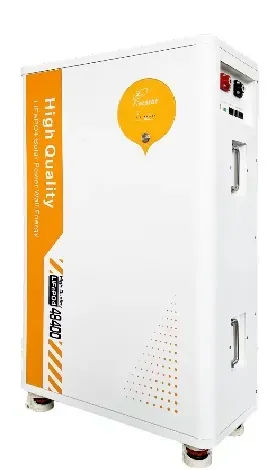
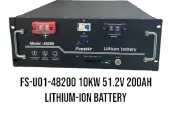
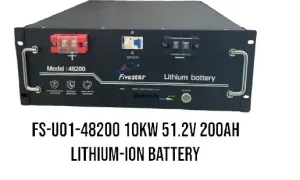
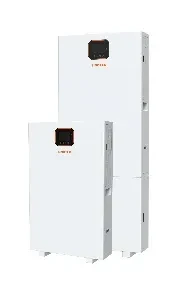
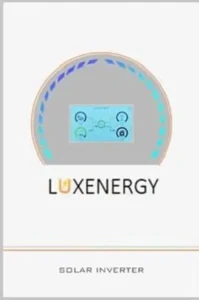
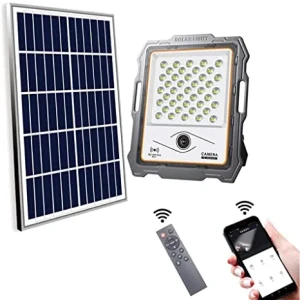
Lithium-ion batteries are high-density, lightweight energy storage units used in smartphones, laptops, electric vehicles (EVs), and solar storage systems. Key advantages include long cycle life (often >5000 cycles), fast charging, high efficiency, and minimal maintenance. They operate consistently at a high voltage, making them ideal for high-power, portable, or off-grid applications.
Key Advantages of Lithium-Ion Batteries
High Energy Density: They store more energy relative to their weight and size, allowing for lighter, more compact devices.
Extended Cycle Life: They can undergo thousands of charge-discharge cycles, lasting longer than traditional, such as lead-acid, batteries.
Fast Charging & Efficiency: They charge quickly and maintain high efficiency under heavy use.
Low Self-Discharge: They lose very little energy when not in use.
Low Maintenance: They do not require routine maintenance like watering (unlike lead-acid).
Safety Features: Modern batteries often include advanced Battery Management Systems (BMS) for thermal management.
Environmental Impact: They are Generally safer and free from hazardous, heavy metals like cadmium.
Common Uses
Portable Electronics: Smartphones, tablets, laptops, cameras, and wearable devices.
Electric Vehicles (EVs): Electric cars, scooters, bikes, and buses.
Energy Storage Systems (ESS): Residential and commercial solar power storage.
Industrial/Recreational: RVs, marine/boats, and industrial machinery.
Backup Power: Uninterruptible Power Supplies (UPS) for critical infrastructure.